
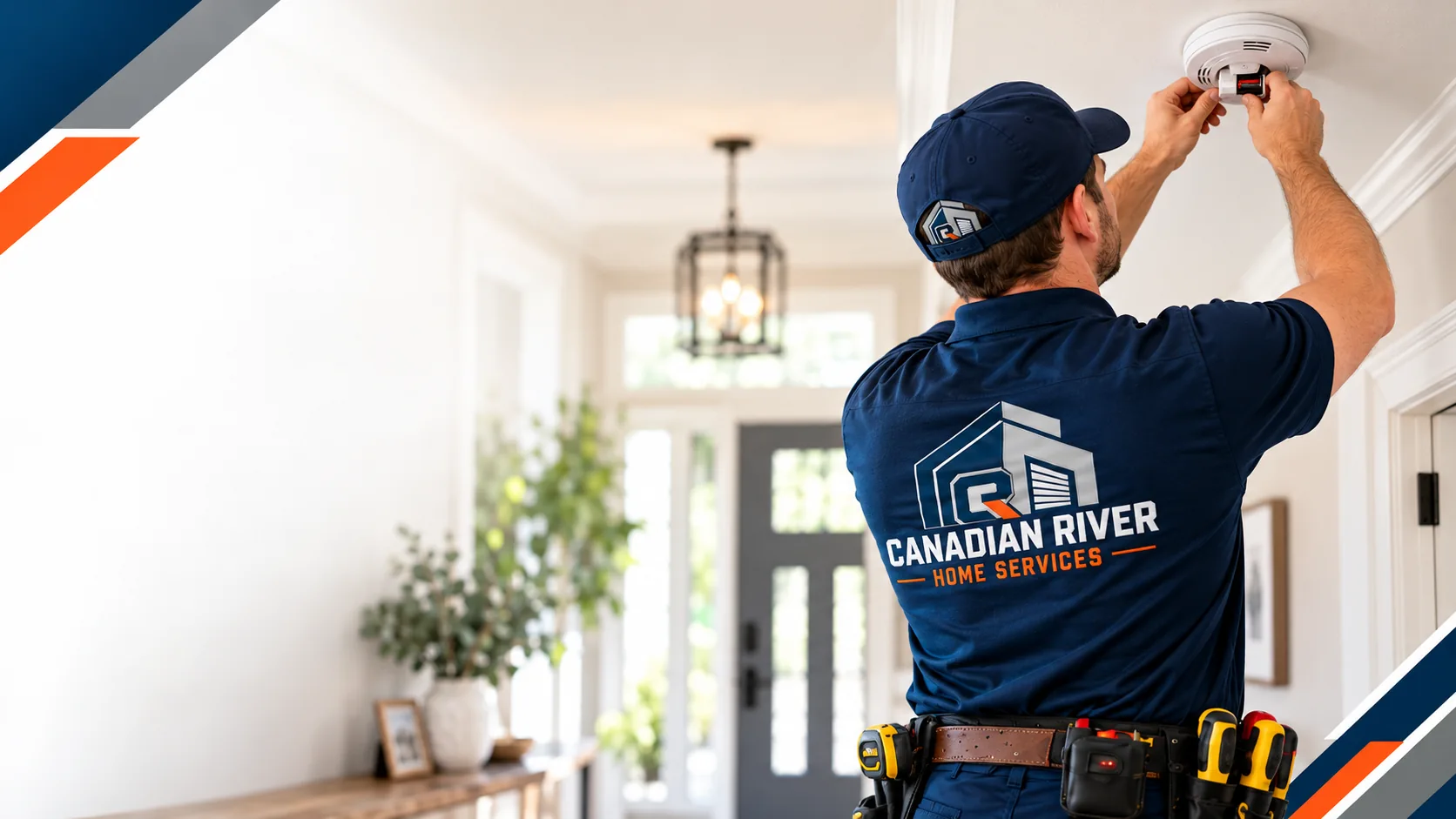
A well-maintained home is rarely the result of one huge weekend project. Most of the important work comes from small, regular checks: catching a loose hinge, noticing a draft, replacing a clogged filter, or checking that a smoke alarm works before it is needed.
In the Oklahoma City area, hot summers, cold snaps, wind, hail, and dust make a practical maintenance routine especially valuable. The checklist below is designed for homeowners who want a manageable system—not a second full-time job.
Start with the essentials: a monthly 15-minute walkthrough
Put a recurring reminder on your calendar. Walk through the house and pay attention to things you use every day:
- Test smoke alarms. Use the test button and follow the manufacturer's instructions. The U.S. Fire Administration recommends monthly testing and generally replacing smoke alarms after 10 years.
- Check HVAC filters. Look at the filter's condition and follow the equipment and filter manufacturer’s replacement schedule. Dust, pets, and heavy system use may require closer attention.
- Look under sinks and near appliances. Watch for moisture, drips, soft cabinets, stained flooring, or musty smells. Escalate leaks promptly.
- Inspect door and cabinet hardware. Loose handles and sticking hinges are often easier to address when first noticed.
- Review your home's small-task list. Write down burned-out bulbs, loose towel bars, a shelf that needs securing, and similar nonurgent jobs.
Spring: inspect what winter left behind
Oklahoma spring weather can expose problems around windows, doors, exterior hardware, and drainage. Check these before storm season becomes busy:
- Inspect accessible door and window weatherstripping for gaps and wear.
- Check the condition of exterior caulk around appropriate trim and penetrations; use the correct sealant for the material and location.
- Look for loose fence-gate latches, hinges, mailbox hardware, and exterior house numbers.
- Clear small debris from accessible exterior drains and confirm water flows away from the home.
- Visually check roofing and gutters from the ground after severe weather. Do not climb a roof to investigate possible storm damage.
If you notice damaged roofing material or flashing, contact the specialist team at Canadian River Roofing rather than attempting an unsafe repair.
Summer: focus on comfort, access, and frequent-use items
High temperatures put a lot of demand on cooling equipment. Inside the home, inspect filter condition, keep supply and return vents clear, and check that doors shut and latch properly. If your system is not cooling as expected, contact a qualified HVAC professional.
This is also a good time to take care of the indoor projects you have postponed: mount a television securely, organize the garage, assemble patio furniture, or tighten loose drawer slides and cabinet hardware. If you are using heavy wall-mounted storage, proper anchors and locating suitable framing are essential.
Fall: prepare for drafts and shorter days
Before temperatures fall, test smoke and carbon-monoxide alarms as directed, inspect the weatherstripping around exterior doors, and note rooms with noticeable drafts. The U.S. Department of Energy explains that caulking and weatherstripping can help reduce air leakage when used appropriately.
- Replace accessible burned-out bulbs in stairways, entryways, and outdoor fixtures.
- Confirm that doors close and latch without excessive force.
- Check battery-powered safety accessories and device alerts.
- Review small repairs before holiday visitors arrive.
Winter: watch for damage without taking unsafe risks
After freezing weather, watch for unusual moisture, plumbing leaks, sticking doors, or damaged weather seals. Keep walkways reasonably clear and avoid attempting work from icy ladders. If you suspect frozen or damaged piping, involve the appropriate plumbing professional.
Which tasks are good candidates for a handyman visit?
A qualified handyman may be a convenient choice for replacing accessible light bulbs, tightening cabinet hardware, assembling shelving, replacing doorstops, installing suitable wall accessories, repairing minor nonstructural household items, and consolidating multiple small tasks into one visit.
Work involving electrical wiring, HVAC refrigerants, structural modifications, plumbing alterations, roofing, or other regulated trades should be evaluated by properly qualified professionals. If you are unsure, explain the task before scheduling so the right team can review it.
Build a routine you can actually keep
Choose one day each month for safety checks, and one day each season for a longer walk-through. Keep a short list of repairs you notice between those dates. Routine attention may help you spot wear earlier, but not every condition is predictable or preventable.
When your list gets long, Canadian River Home Services can help with routine home maintenance and many of the small jobs that accumulate throughout the year. You can also request an appointment online and describe the work you want to discuss.
Helpful homeowner references
U.S. Fire Administration — Smoke Alarm Guidance ↗
U.S. Department of Energy — Air-Sealing Guidance ↗